

A treadmill mat can help protect flooring from scratches, sweat, and equipment movement while softening some workout noise. Our guide to the best treadmill mat compares 9 options in November 2026, with useful differences in size, thickness, and storage.
Whether you have a full-size treadmill, a walking pad, or a bike, measure your setup before choosing a mat. For more flooring ideas, see our guide to home gym flooring over concrete.
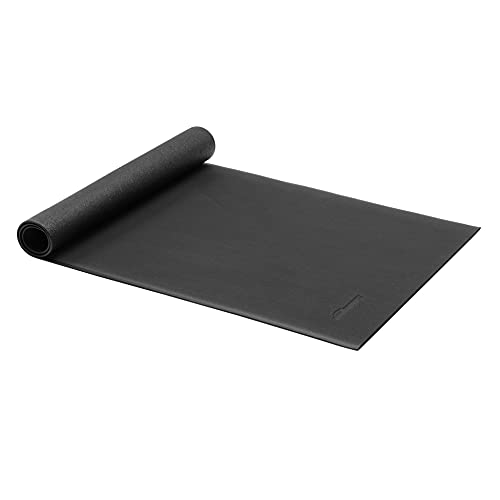
Pros
- Versatile equipment compatibility
- Non-slip surface
- Wipe-clean PVC
- Noise and vibration reduction
- 72-inch length
Cons
- 30-inch width may not fit larger equipment
- Only 0.3 inches thick
- Black color only
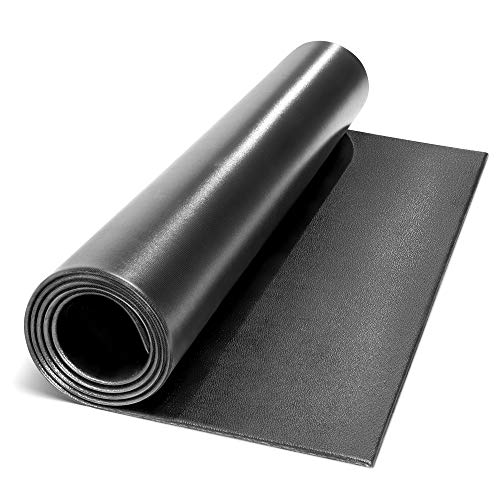
Pros
- Impact-absorbing EVA foam
- Non-slip machine surface
- Helps reduce equipment vibration
- Lightweight at 6.4 pounds
- 78 x 36-inch coverage
Cons
- Only 0.25 inches thick
- May not cover larger equipment footprints

Pros
- Folds for compact storage
- Waterproof, wipe-clean surface
- Non-slip textured finish
- Suitable for multiple equipment types
- Lightweight at about 2.1 pounds
Cons
- 0.24-inch thickness may provide limited cushioning
- 55-by-23.6-inch footprint may not suit larger equipment
- Warranty terms are not specified
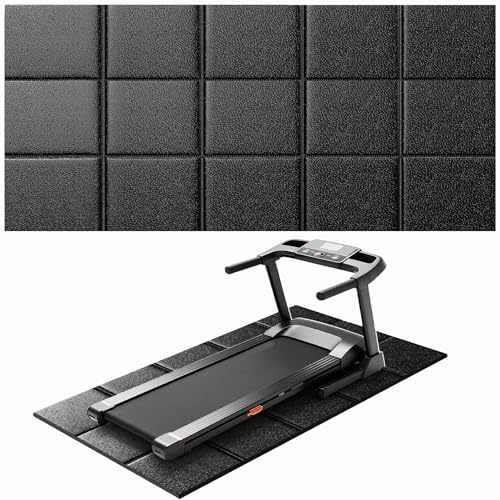
Pros
- Large 79 x 39-inch coverage
- Waterproof, wipe-clean surface
- Foldable for compact storage
- Suitable for several floor types
- Can be cut to size
Cons
- Slim 0.16-inch thickness
- Cutting may leave unfinished edges

Pros
- 6mm dense PVC construction
- Textured, anti-skid surfaces
- Protects multiple floor types
- 72 x 36-inch size
Cons
- Only one listed size shown in specifications
- PVC may not suit every flooring preference

Pros
- High-density construction
- 60-by-30-inch coverage
- Wipe-clean surface
- Designed to reduce noise
- Helps limit equipment shifting
Cons
- Only 1/4 inch thick
- Fixed 60-by-30-inch size
- Black color only
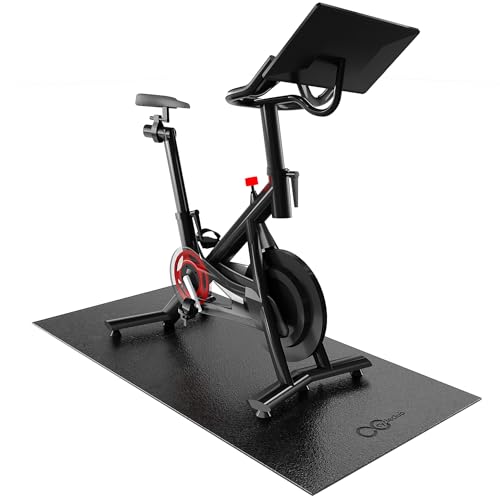
Pros
- 6mm thick floor protection
- Spacious 30 x 60-inch size
- Non-slip texture on both sides
- Wipe-clean sealed surface
- Fits several floor types
Cons
- May have a slight odor initially
- Designed for small treadmills and equipment
- May need trimming to fit some spaces

Pros
- 90.5-by-39.5-inch coverage
- Water-resistant, wipe-clean surface
- Helps reduce vibration and noise
- Works on multiple floor types
- Versatile for equipment and floor workouts
Cons
- Only 0.16 inches thick
- Large footprint may not suit compact spaces

Pros
- 6mm thick cushioning
- Large 36 x 72-inch surface
- Nonslip front and back
- Sweat-resistant, easy-clean PVC
- Trimmable to size
Cons
- Slight odor may take days to dissipate
- Measure equipment before purchase
- Soft PVC construction
Size and Equipment Coverage
Start by measuring the treadmill’s full footprint, including the stabilizing feet, rather than relying on the running deck dimensions. The mat should extend beyond contact points enough to catch small shifts and drips without creating a tripping edge.
For example, the Amazon Basics Treadmill Mat and Exercise Equipment measures 72 by 30 inches, while the Marcy Fitness Equipment Mat and Floor Protector measures 78 by 36 inches. Larger options such as the Treadmill Mat for Carpet & Hardwood Floors offer broad coverage, but check available floor space first.
Thickness and Vibration Control
Mat thickness and material affect cushioning, vibration absorption, and how firmly equipment sits. Several listed mats use 6 mm material, while the Elevon 2.5 x 5 Feet 1/4 Inch Thick High Density and Amazon Basics options are around a quarter-inch thick.
A thicker mat may provide more cushioning, but thickness alone does not guarantee stability or silence. Consider the equipment’s weight, your floor type, and whether the mat’s surface is designed to stay in place during use.
Grip and Stability
Look for a textured upper surface and a bottom that grips your particular floor. Non-slip construction can help reduce unwanted movement, although dust, uneven flooring, and mat placement can still affect how securely equipment sits.
The GymCope Treadmill Mat for Hardwood Floor Carpet describes a textured top and anti-skid underside. Cycleclub Exercise Bike Mat also has textures on both sides, making grip a notable consideration for bikes and compact walking treadmills.
Floor Type and Moisture Protection
Match the mat to the surface beneath your machine, whether that is hardwood, tile, vinyl, concrete, or carpet. A waterproof or sweat-resistant surface is useful for catching moisture, but confirm that the underside is appropriate for your flooring.
Several options are described for hard floors and low-pile carpet, while some can be trimmed to size. If you are planning a wider flooring project, compare these mats with our overview of flooring for a home gym.
Storage and Portability
A permanently positioned treadmill can use a larger, heavier mat, while a walking pad in a shared room may call for easier storage. Foldable designs can be convenient when the workout area needs to serve another purpose between sessions.
The Stepwaver Walking Pad Mat folds into a compact form for storage, and the Treadmill Mat for Carpet & Hardwood Floors is also described as foldable. Check folded dimensions and the mat’s shape before assuming it will fit your closet or storage space.
Cleaning and Material Care
Wipe-clean surfaces make it easier to remove sweat and dust after workouts. PVC and foam mats can have different care needs, so follow the product’s instructions and let the mat dry before placing it back on a moisture-sensitive floor.
Some mats are described as waterproof or water-resistant, while others emphasize easy maintenance and resistance to carpet bleeding. If you are outfitting a garage or larger workout zone, our garage gym flooring guide covers broader coverage options.
Why You Should Trust Us
We compare product specifications, materials, dimensions, and published feature details to explain how these mats differ. Our approach focuses on practical fit, including equipment coverage, thickness, grip, moisture resistance, and storage needs.
We also distinguish between mats designed for full treadmills and those better suited to bikes or compact walking pads. This makes it easier to narrow the options based on your equipment and floor, rather than relying on a single feature or brand name.
Final Thoughts
For a versatile full-size option, the Amazon Basics Treadmill Mat and Exercise Equipment stands out for its 72-by-30-inch coverage, non-slip surface, and stated noise and vibration reduction. It is a sensible best overall choice for many standard treadmill setups, provided its dimensions suit your machine.
For a budget-conscious choice, the Stepwaver Walking Pad Mat combines a foldable design with a textured, waterproof surface and compact dimensions for walking pads. If you want more substantial coverage and cushioning, consider the best-for-larger-equipment Marcy Fitness Equipment Mat and Floor Protector, which measures 78 by 36 inches.
Choose according to your machine footprint and floor type, then compare broader options in our Home Gym Flooring category. A well-sized mat is more useful than simply selecting the thickest or largest option available.
FAQs
What size treadmill mat should I choose?
Measure the full footprint of your treadmill, including its feet, and select a mat that provides coverage around those contact points. Allow enough room to catch minor movement and moisture while keeping the edges clear of walkways.
Are treadmill mats suitable for carpet?
Many mats in this selection are described for carpet as well as hard flooring. Check the product details for carpet compatibility and consider whether the pile is low enough to keep your equipment stable.
Can a treadmill mat reduce vibration and noise?
Mats with cushioning are designed to absorb some vibration and reduce noise transmission, but results depend on the machine, floor, and mat construction. A mat should not be treated as a guarantee of a silent workout.
How thick should a treadmill mat be?
Thickness depends on your equipment and flooring. Compare the stated thickness alongside material density, dimensions, and grip, since those details together give a more useful picture than thickness alone.
Can I use a bike mat under a treadmill?
Some bike mats are also described as compatible with treadmills, but their dimensions may be intended for compact machines. Measure your treadmill and compare its footprint with the mat before deciding.
Are foldable treadmill mats worth considering?
A foldable mat can help when you need to reclaim floor space or store a walking pad between workouts. Check its unfolded dimensions and folding design to ensure it still covers the equipment adequately.
How do I clean an exercise equipment mat?
Most wipe-clean surfaces can be maintained with a damp cloth, following the maker’s care guidance. Remove sweat and let the mat dry as needed, particularly before setting it on wood or carpet.
What should I compare when choosing the best treadmill mat in 2026?
Compare footprint, thickness, surface grip, moisture protection, and storage requirements against your equipment and floor. For additional home workout flooring ideas, browse our Home Gym & Strength category.



Write Your Review
No reviews yet. Be the first to share your experience!