

A home rowing machine can make regular cardio more convenient, but the right choice depends on your available space, preferred resistance, and storage needs. Our guide to the best rowing machine for home compares 3 options from YOSUDA and FEIERDUN, with details that help you narrow the field.
We look at compact hydraulic equipment, quiet magnetic resistance, and a foldable wooden water rower, so different households can find a practical fit. For more seasonal shopping context, browse our rowing machine deals guide, updated for 2026.
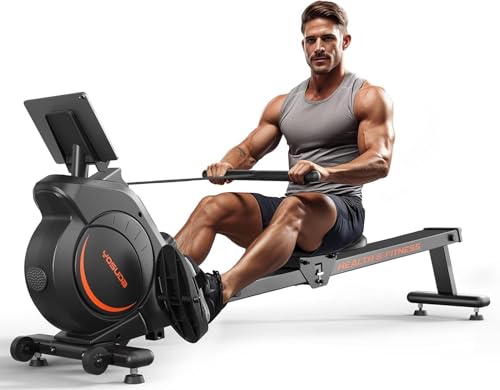
Pros
- 16 resistance levels
- Quiet magnetic operation
- 350-pound load capacity
- Bluetooth workout connectivity
- Compact home-friendly footprint
Cons
- Best suited for users up to 5 feet 11 inches
- Limited onboard metric display
- No advanced resistance programming mentioned

Pros
- 400 lb weight capacity
- Folds 180 degrees for storage
- FSC-certified beech wood frame
- Bluetooth app connectivity
- Suitable for users up to 6 ft 6 in
Cons
- Requires water tank filling and upkeep
- 73.6-inch length needs floor space
- Only one-year parts warranty

Pros
- 12 adjustable resistance levels
- 300-pound weight capacity
- Compact, lightweight design
- Cushioned seat and smooth track
- Targets multiple muscle groups
Cons
- Hydraulic resistance, not air or magnetic
- 57-inch length needs dedicated floor space
- No detailed monitor features listed
Resistance Type and Training Feel
Resistance changes the sound, maintenance, and feel of each stroke, making it a major decision before you compare smaller conveniences. Magnetic models use controlled resistance and are often a sensible choice when a quieter workout matters.
The YOSUDA Rowing Machine for Home provides 16 magnetic resistance levels, while the FEIERDUN Hydraulic Rowing Machine for Home uses 12 adjustable levels. The YOSUDA water model instead uses a 22-liter tank, creating a water-based stroke and sound that may appeal to rowers who prefer that style.
Room Dimensions and Storage
Measure both the machine’s working footprint and the route you will use to move it into storage. Remember to leave enough clearance for your legs, arm reach, and safe access around the equipment during a session.
The magnetic YOSUDA measures 59 by 19 by 25 inches and is described as occupying 2.9 square feet. The wooden water rower folds 180 degrees and rolls on built-in wheels, while the FEIERDUN weighs 31.9 pounds for easier repositioning.
For other compact home cardio ideas, compare our walking pad with incline guide and the wider Home Cardio category. These options can help you consider how different equipment might share your available floor space.
Weight Capacity and User Fit
Check the stated user capacity and height guidance against the people who will use the rower. A machine’s maximum capacity is not the only fit detail: rail length, foot placement, and seat travel can also affect comfort.
The magnetic YOSUDA lists a 350-pound capacity and user heights from 4 feet 5 inches to 5 feet 11 inches. The wooden water model supports up to 400 pounds and users up to 6 feet 6 inches, while the FEIERDUN capacity is 300 pounds.
Comfort and Stability
A stable frame and comfortable contact points make it easier to maintain a consistent routine. Look for details such as seat shape, roller design, foot straps, and track construction rather than relying on appearance alone.
YOSUDA describes its magnetic rower as having a wide track and a seat supported by three integrated wheels. The water model includes an ergonomic 3D seat and adjustable foot straps, while FEIERDUN lists a cushioned seat and smooth track.
Monitor and App Features
Decide which workout information you will actually use, such as time, distance, stroke count, or calories. If you prefer guided sessions or syncing activity data, check the named app integrations and monitor connectivity before choosing.
The magnetic YOSUDA display lists time, distance, total count, count, and calories, and its product details mention app-connected training. The water rower specifies Bluetooth connectivity and compatibility with Kinomap, Apple Health, and Google Fit.
Assembly and Ongoing Care
Assembly demands vary, so consider setup information if you want equipment ready with minimal effort. The water model arrives mostly assembled, while the magnetic model lists an estimated setup time and the hydraulic rower describes a simple assembly process.
Water resistance also means considering tank care and leak protection, and YOSUDA describes its water tank as having a leak-proof design. Before ordering any rower, review the included instructions, warranty information, and customer support details for the specific model.
Why You Should Trust Us
We compare published product specifications, materials, dimensions, resistance systems, capacity limits, and included technology to explain meaningful differences. Our research considers how those details affect everyday decisions, including room fit, storage, noise, and user compatibility.
We also distinguish stated features from assumptions, so recommendations stay grounded in the available product information. The result is a transparent comparison of YOSUDA and FEIERDUN options rather than a one-size-fits-all ranking.
Final Thoughts
For the strongest balance of quiet operation, adjustable resistance, and app-connected features, our best overall recommendation is the Rowing Machines category pick, YOSUDA Rowing Machine for Home. Its 16 magnetic levels, compact stated footprint, and monitor make it a versatile option for households prioritizing a quieter setup.
For a lower-cost style of compact rowing, our best value choice is the FEIERDUN Hydraulic Rowing Machine for Home. Its 12 resistance settings, 31.9-pound frame, and simple assembly details suit shoppers seeking a portable rower with straightforward controls.
For a more immersive stroke and a foldable wood frame, consider the YOSUDA Water Rowing Machines for Home Use-Foldable. Its higher stated capacity, user-height range, Bluetooth monitor, and rolling storage design make it a specific-use pick for taller users or those drawn to water resistance.
If you are comparing other home workout formats, explore our exercise bikes category alongside rowing machines. Choosing based on your room, preferred workout feel, and storage habits is more useful than focusing on a single feature.
FAQs
What should I look for in the best rowing machine for home?
Start with resistance type, available floor space, user capacity, and height compatibility. Then compare seat comfort, storage options, monitor features, and the amount of assembly involved.
Are magnetic rowing machines quiet enough for apartments?
Magnetic rowers are often selected for quieter operation compared with water resistance, although the sound can vary by design and use. The YOSUDA magnetic model specifically describes quiet operation and smooth-gliding rollers.
Is a water or magnetic rowing machine better for home use?
Choose magnetic resistance if quiet operation and adjustable settings are priorities. A water rower may suit you better if you prefer its stroke feel and sound, and have room for its folded frame.
Can a rowing machine fit in a small room?
Some models are designed with storage in mind, but confirm the dimensions in both working and stored positions. The YOSUDA water rower folds 180 degrees, and the magnetic model lists a compact footprint.
Which home rowing machine supports taller users?
Among these options, the YOSUDA wooden water rower lists support for users up to 6 feet 6 inches. Check the product’s current fit details and compare them with the intended user’s height before selecting.
Do home rowing machines connect to fitness apps?
Some include Bluetooth or app features, but compatibility differs between models. The YOSUDA water rower lists connections with Kinomap, Apple Health, and Google Fit, while the magnetic model describes app-connected training.
How many resistance levels should a home rower have?
There is no single ideal number because resistance systems and adjustment ranges differ. Compare how the levels are controlled and whether the available range suits the variety of workouts you plan to do.
Where can I compare rowing machines in 2026?
Use the comparison above to review the listed machines’ resistance, dimensions, capacity, and features side by side. Our Rowing Machines category page offers another place to browse equipment for home cardio.


Write Your Review
No reviews yet. Be the first to share your experience!