

A rowing machine can bring a rhythmic, full-body cardio routine into a spare room or home gym, but resistance and storage differ substantially between models. Our guide to the best water rowing machine compares 2 options from YOSUDA, GYMAX and explains which details matter before you choose.
We considered the machines’ resistance systems, construction, dimensions and tracking features, with practical differences for beginners and regular rowers in mind. For more home cardio ideas, browse our rowing machines category.

Pros
- 400 lb weight capacity
- Folds 180 degrees for storage
- FSC-certified beech wood frame
- Bluetooth app connectivity
- Suitable for users up to 6 ft 6 in
Cons
- Requires water tank filling and upkeep
- 73.6-inch length needs floor space
- Only one-year parts warranty

Pros
- Resistance adjusts up to 110 lb
- Full-motion rowing arms
- Tracks five workout metrics
- Supports up to 265 lb
- Adjustable foot straps
Cons
- Hydraulic resistance differs from air or magnetic systems
- No built-in workout programs listed
- Assembly required
Resistance Type and Workout Feel
Start by deciding what kind of resistance and rowing motion you want, because these machines use different mechanisms. The YOSUDA uses a 22-liter water tank and four-blade paddle, while the GYMAX relies on adjustable hydraulic resistance.
Water resistance offers a flowing stroke and audible water movement, with resistance responding to how forcefully you row. The GYMAX’s hydraulic cylinder has a release knob for adjusting resistance, making it a different style of workout rather than a tank-based water rower.
Fit, Weight Capacity, and Rail Space
Check the manufacturer’s stated user limits and consider who will share the machine. The YOSUDA supports up to 400 pounds and lists users up to six feet six inches, whereas the GYMAX has a 265-pound capacity.
Also consider the full rowing motion, not just the machine’s footprint when stored. The GYMAX has full-motion arms, while the YOSUDA uses a sliding seat and is designed for folding and rolling away after exercise.
Frame Materials and Stability
Frame material affects the machine’s appearance, structure and suitability for your space. YOSUDA uses 30-millimeter FSC-certified beech wood, while GYMAX describes a steel frame with anti-skid pads at its base.
Consider where the rower will sit and how often you expect to move it. Wood may suit a living area where furniture-like styling matters, while a steel frame can be a practical choice when straightforward utility is the priority.
Storage and Room Layout
Measure the available floor area before buying, leaving room for the seat to travel and your arms to move comfortably. The YOSUDA folds through 180 degrees and rolls on built-in wheels, which can help reclaim floor space between sessions.
Do not assume a compact stored position means the rower needs little space while in use. Compare the machine’s assembled dimensions with your room, and check whether its storage method works with your floor and furniture arrangement.
Monitor and Connected Features
A clear display makes it easier to follow a session and keep track of progress over time. Both machines include an LCD-style monitor with workout information such as time, distance or count, and calories.
The YOSUDA adds Bluetooth connectivity and compatibility with Kinomap, Apple Health and Google Fit. If syncing data matters to you, verify that the listed connections suit your devices; if not, a basic display may provide all the information you need.
Seat, Footrests, and Setup
Comfort and a secure foot position can make regular sessions easier to fit into your routine. YOSUDA lists a contoured 3D seat and adjustable foot straps, while GYMAX specifies a generously cushioned seat and textured pedals with adjustable hook-and-loop straps.
Look at assembly expectations as well as the contact points. YOSUDA arrives mostly preassembled and includes video setup guidance; GYMAX describes a six-step setup and provides instructions on its product page.
For other ways to plan a home cardio space, see our incline treadmill guide and home cardio category.
Why You Should Trust Us
We compare published specifications, materials, dimensions and product details to clarify how these rowing machines differ. That approach helps identify practical trade-offs, including resistance style, storage design, stated capacity and display features.
We aim to present useful distinctions without treating every feature as equally important for every buyer. Product descriptions and specifications inform our recommendations, so you can match the machine to your space, preferences and workout plans.
Final Thoughts
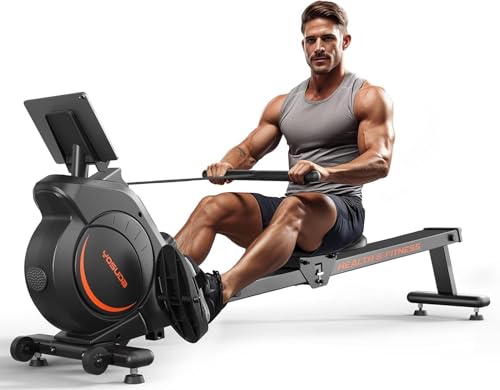
For a water-resistance setup, higher stated capacity and a foldable wooden frame, our best overall pick is the rowing machine deal guide’s standout alternative, YOSUDA Water Rowing Machines for Home Use-Foldable. Its 22-liter tank, Bluetooth monitor, folding design and 400-pound capacity make it a compelling choice when those features fit your room and routine.
Our best value recommendation is GYMAX Rowing Machines for Home, which combines full-motion arms, adjustable hydraulic resistance and a cushioned seat. It is also our best fit for shoppers who specifically want adjustable resistance through a hydraulic cylinder rather than a water tank.
Choose according to the resistance feel, capacity and storage arrangement you prefer, rather than assuming the two designs are interchangeable. You can compare more options in our rowing machine category before settling on a home setup.
Frequently Asked Questions
What is the difference between water and hydraulic rowing machines?
A water rower uses a tank and paddle to create resistance, while a hydraulic model uses a cylinder. The YOSUDA is the water-resistance option here, and the GYMAX uses adjustable hydraulic resistance.
Does a water rowing machine make a sound?
Water-resistance machines produce water movement sounds during rowing, which some people enjoy as part of the experience. If a quieter sound profile matters, consider your room location and the noise characteristics of the specific machine.
Can a water rowing machine be stored upright?
Storage depends on the model and the manufacturer’s instructions. The YOSUDA folds through 180 degrees and has wheels for moving it, so check its setup guidance and your available storage area before deciding.
What should I measure before buying a rowing machine?
Measure the floor area available during use, including space for the seat movement and full arm reach. Also check the machine’s storage dimensions and ensure its folded or upright position works in your room.
How much weight can these rowing machines support?
The YOSUDA lists a maximum capacity of 400 pounds, and GYMAX lists 265 pounds. Confirm the current manufacturer specifications and consider the needs of everyone who may use the machine.
Do rowing machines track workout progress?
Both models include displays for workout information such as time, distance or count, and calories. YOSUDA also lists Bluetooth and compatibility with Kinomap, Apple Health and Google Fit.
Is the best water rowing machine in 2026 always a tank-based rower?
Not necessarily: the best water rowing machine depends on whether you prioritize water resistance, storage, capacity or a different resistance mechanism. Compare the details in our rowing machine category to explore other designs.


Write Your Review
No reviews yet. Be the first to share your experience!