

Squats, deadlifts, and other heavy lifts call for a belt that fits your body and training preferences. Our guide compares 3 options from Dark Iron Fitness, Element 26, Jaffick using their construction, closure systems, sizing guidance, and published features.
In November 2026, compare these designs with the needs of your routine and gym setup. For another way to plan home workouts, see our incline treadmill guide.
Pros
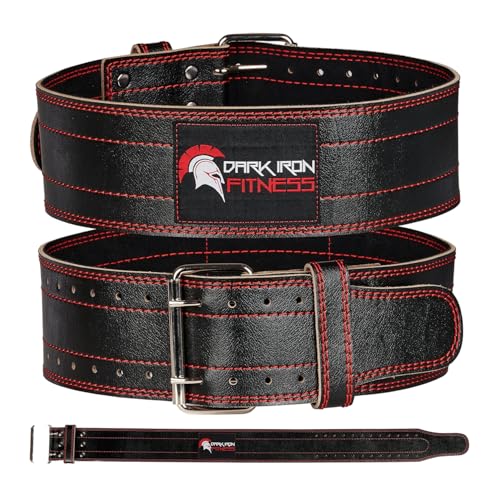
- Genuine leather construction
- Reinforced double-row stitching
- Double-prong buckle
- Twelve adjustable holes
- XS to XL sizing
Cons
- Measure waist at the belly button
- Leather requires occasional conditioning
- Only 4 inches wide

Pros
- Wide 6-inch design
- Double-sided leather
- Soft suede lining
- Adjustable buckle
- Reinforced stitching
Cons
- Sizing requires a waist measurement
- Only brown color listed
- Buckle may be less convenient than a lever

Pros
- Quick-release self-locking buckle
- Adjustable nylon construction
- No break-in period
- Competition-approved 4-inch profile
- Hand-washable material
Cons
- Medium size may not fit every lifter
- Hand washing required
- Single black color listed
Support and Belt Width
Start with the support profile you want during your main lifts. All three options use a four-inch-wide design, while their materials and fastening systems create different wearing experiences.
The Dark Iron Fitness belt uses genuine leather with reinforced stitching, and Jaffick describes a double-sided leather design with suede lining. Element 26 uses pliable nylon, which its published details say conforms to the core and can be folded into a gym bag.
Material and Construction
Leather is worth considering if you prefer a traditional, structured belt. Look for construction details such as reinforced edges, secure stitching, and lining, since these affect how the belt is assembled and feels against clothing or skin.
Nylon offers a different balance, with flexibility and a lighter packing profile. Element 26 specifies double-reinforced stitching and a metal buckle; compare those details with the leather construction of Dark Iron Fitness and Jaffick.
Closure and Adjustability
Choose a closure you can adjust reliably between sets. Dark Iron Fitness and Jaffick use buckle designs, while Element 26 has a full-metal self-locking mechanism, an adjustable fit, and a quick-release roller.
Consider how quickly you want to change belt pressure or remove the belt between exercises. A double-prong buckle gives you set hole positions; an adjustable mechanism can offer more gradual positioning, depending on how you prefer to secure it.
Fit and Measuring
Measure around your waist at the belly button rather than relying on the size printed on your pants. Dark Iron Fitness specifies twelve adjustment holes at one-inch intervals, while Jaffick provides waist ranges from small through XXL.
Check the sizing chart for the exact belt you are considering, and follow its instructions if your measurement falls between sizes. A useful check is whether the chosen size leaves room to tighten or loosen the belt as needed.
Training Style and Portability
Match the belt to the lifts and settings where you expect to use it. The product details describe the leather options for lifting and strength workouts, while Element 26 lists Olympic lifting and functional fitness among its intended uses.
If you carry equipment to the gym, consider storage and upkeep alongside support. Element 26 says its nylon belt folds for packing and can be hand washed with soap and water, while leather models may suit shoppers who prioritize a traditional material.
Maintenance and Long-Term Use
Construction details can help you compare how each belt is intended to hold up to regular use. Reinforced stitching appears in the descriptions for all three options, with leather construction on Dark Iron Fitness and Jaffick and nylon construction on Element 26.
Think about care before deciding: washable nylon may be convenient if you want straightforward cleaning, while leather may appeal if you prefer its familiar feel. For more household equipment comparisons, browse our laundry basket recommendations.
Why You Should Trust Us
We compare published product specifications, materials, sizing information, closure designs, and stated training uses. This approach helps clarify meaningful differences without treating every belt as interchangeable.
Our recommendations reflect the details available for each listed model, including construction and care information. We aim to give you practical criteria for matching a belt to your lifting routine and preferences.
Final Thoughts
For a traditional leather design with a double-prong buckle and twelve adjustment holes, we recommend the incline treadmill guide for workout planning and the Dark Iron Fitness Genuine Leather Weightlifting as our best overall belt pick. Its four-inch profile and reinforced construction make it a versatile option across several strength exercises.
The Jaffick Leather Weight Lifting Belt for Men Women is our best value choice for shoppers who want double-sided leather and a suede lining. For quick adjustment, a self-locking closure, and a packable nylon build, consider the Element 26 Self-Locking Weight Lifting Belt as our pick for varied training settings.
Whichever design you choose, use its own sizing chart and measure your waist as directed. If your home setup also includes laundry organization, our laundry hamper guide compares options for keeping workout clothes sorted.
FAQs
How do you choose the right weightlifting belt size?
Measure around your waist at the belly button, then compare that measurement with the specific belt’s size chart. Do not assume your pants size will match the manufacturer’s belt sizing.
Is a leather or nylon weightlifting belt better?
It depends on your preferences. Leather models offer a traditional construction, while a nylon belt can be more flexible and easier to fold for storage.
What is the difference between a prong and self-locking belt?
A prong belt fastens through set holes, while a self-locking design uses a locking mechanism to secure the belt. Compare adjustability and release style to find what suits your routine.
Are four-inch weightlifting belts suitable for different lifts?
A four-inch profile is common across the options in this guide, and their product details list uses including squats and deadlifts. Check the belt’s stated uses and fit against the lifts you perform.
Can you wear a weightlifting belt for every exercise?
Belts are typically selected for particular lifts rather than worn throughout every workout. Consider when you want the belt’s support and whether it allows comfortable movement for each exercise.
How should you clean a weightlifting belt?
Follow the care guidance for the material and model. Element 26 says its nylon belt can be hand washed with soap and water and air dried; check the manufacturer details for leather belts.
Which option stands out among Best Weightlifting Belt picks for 2026?
The Dark Iron Fitness belt stands out for its genuine leather, double-prong buckle, and multiple adjustment holes. Element 26 may be a better fit if you prioritize a self-locking buckle and packable nylon construction.
Should a weightlifting belt feel tight?
The belt should feel secure while allowing you to breathe and move through your intended lifting position. Use the manufacturer’s fitting guidance and adjust it to your personal preference.
Where can you compare more workout equipment?
For another option to support home training, see our incline treadmill recommendations. Compare the equipment’s features with your available space and workout plans.




Write Your Review
No reviews yet. Be the first to share your experience!